Look up! A starry canvas stretches above you-what is out there in the vast unknown? Comets, once feared as harbingers of doom, are now understood as humble clusters of ice and dust. They stand as testaments to our relentless pursuit of answers. Immerse yourself in this week’s newsletter as we transport you to one such bold endeavor: the Rosetta mission, a daring mission to chase a comet that personifies the very term 'Sapere Aude' - 'Dare to Know’.
From Earth to Eternity: The Legacy of the Rosetta Mission
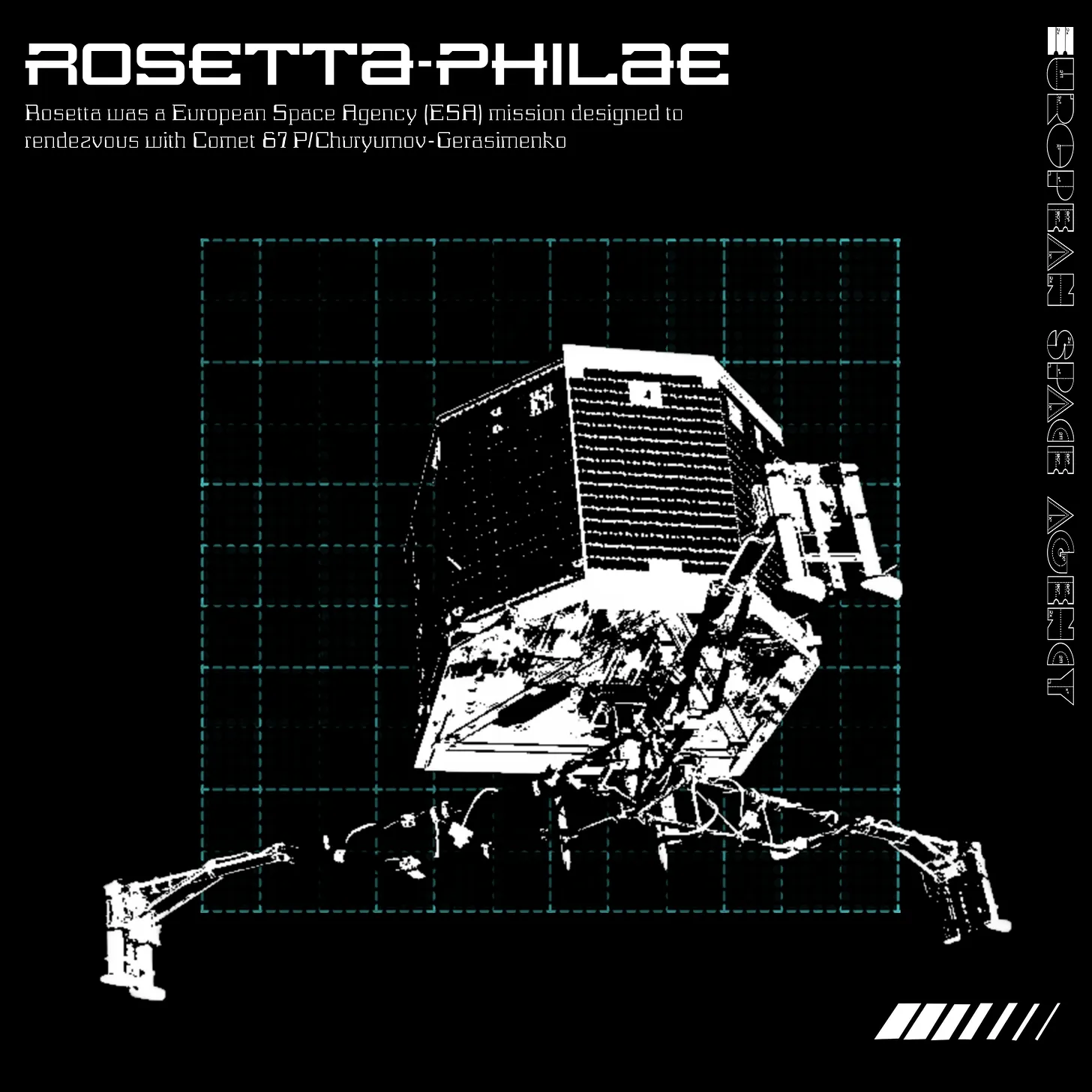
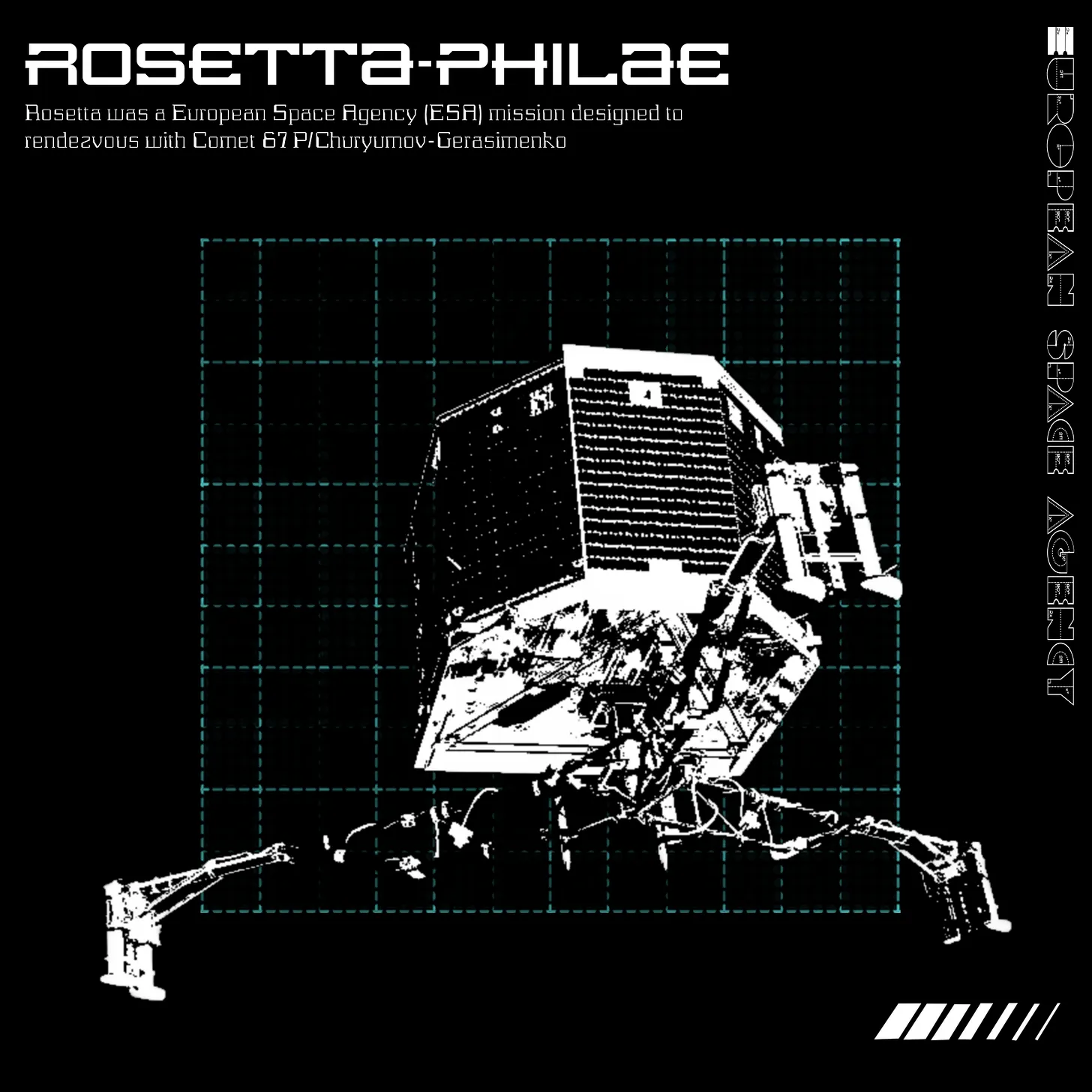
Comets, also known as dirty snowballs, are beautiful clusters of ice and dirt. We see them from afar as little sparkles of light flying across the sky. Celestial wonders older than time itself-known as harbingers of doom. No one in the universe could've thought of chasing them until some tiny creatures on a tiny planet made machines capable of such feats. One such machine was Rosetta -humanity's mission for the stars. Rosetta was made to rendezvous a comet and escort it as it orbits around the sun. It was developed and launched by the ESA (European Space Association) and it was an engineering marvel. Rosetta was launched on 2 March 2004, on a 10-year journey towards comet 67P/Churyumov-Gerasimenko. Along the way, it passed by two asteroids, 2867 Steins (in 2008) and 21 Lutetia (in 2010), before entering deep-space hibernation mode in June 2011. On 20 January 2014, it 'woke up' and prepared for arrival at the comet in August of that year. Rosetta’s mission wasn't just about researching a single comet. Its mission embodied humankind's curiosity over their origins and the mysteries of the cosmos. It resembled the change of order in the universe-the asteroids which were once the cause of extinction of a whole species were now studied by mere mortals. Rosetta's journey unveiled that these celestial relics might hold clues to the origin of life itself. On the 12th of November 2014, Rosetta achieved another major milestone by deploying its Philae probe onto the comet- an extraordinary feat similar to landing on a speeding bullet. After collecting all the data they could, as a final act, the ESA decided to deliberately end Rosetta's mission by allowing it to crash into the comet's surface, making it a part of the very object it spent years researching. Was this a poetic ending or a new beginning? Did the sacrifice bring us closer to answering the questions about our origins or only deepen the mystery of the cosmos? What other secrets is the cosmos waiting to reveal to us, if only we're bold enough to chase them?